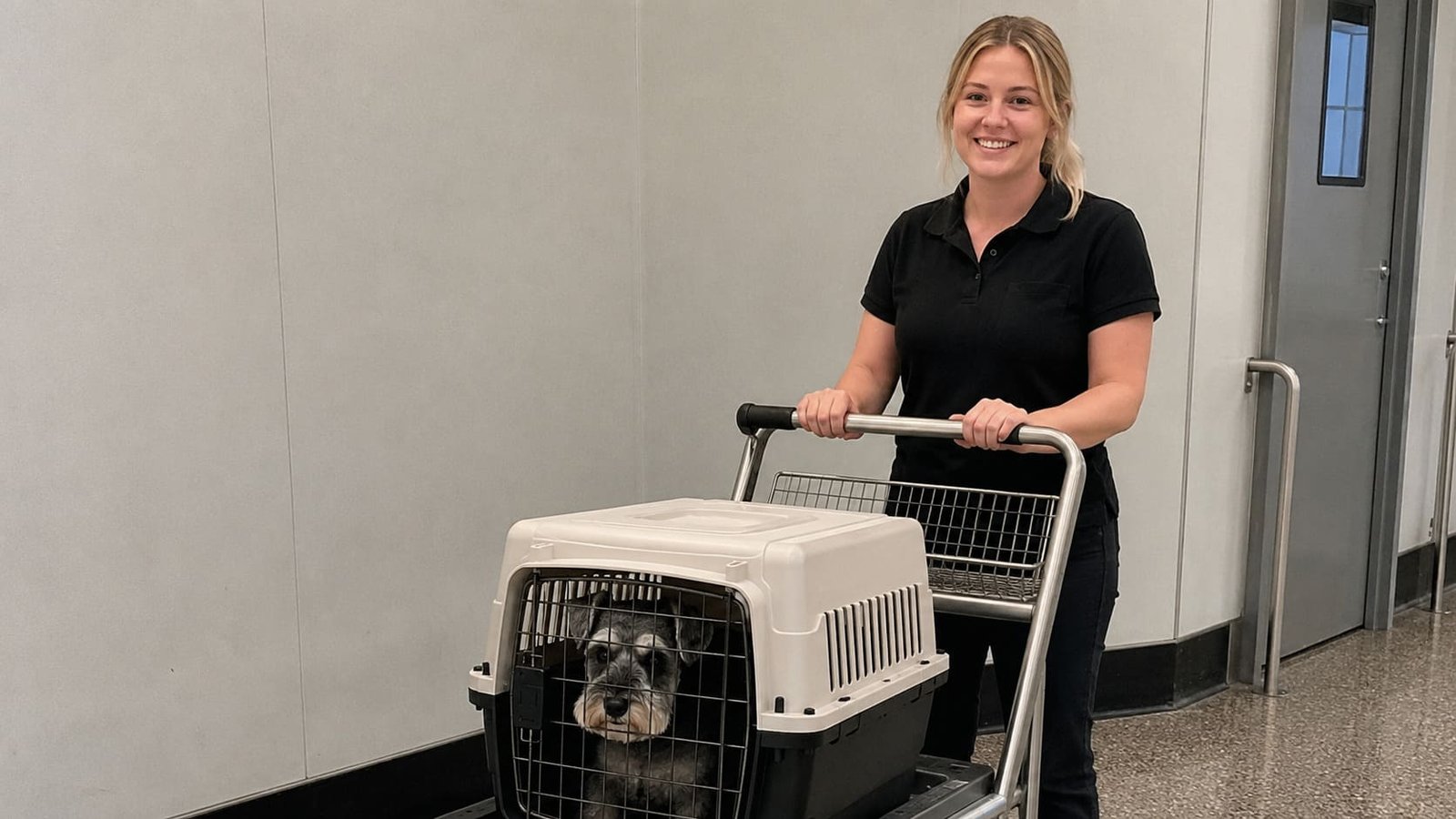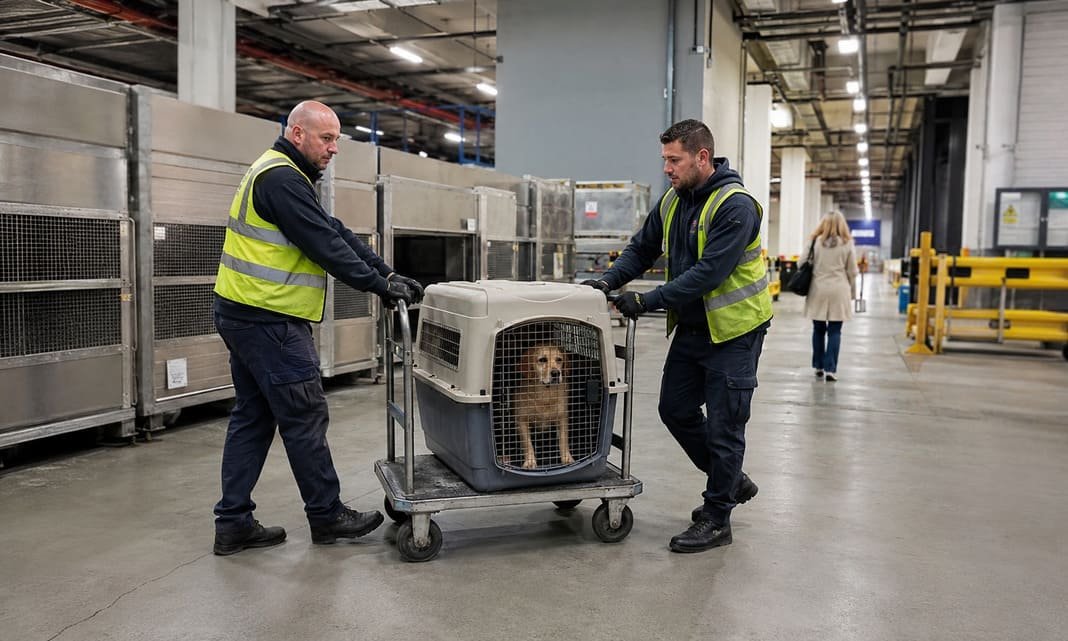

What does a heat embargo mean for your pet’s flight?
A heat embargo is a temporary airline restriction that stops pets from flying when temperatures are considered unsafe. In practice, it can lead to a delay, a rebooked route, or a cancellation, because airlines and airport authorities must account for heat exposure on the ground as well as conditions in transit.
Here's What We Have Covered In This Article
Understanding heat embargoes in pet air travel
A heat embargo pet flights policy is put in place to reduce the risk of animals being exposed to unsafe temperatures during air travel. The concern is not limited to the aircraft itself. Ground handling, waiting periods, loading, unloading, and time spent near the tarmac can all affect an animal’s safety.
Many owners assume these restrictions only apply during obvious heatwaves. Airlines may act earlier than that, because risk is shaped by several factors, including local temperature thresholds, airport layout, humidity, and the length of time an animal may be outside controlled conditions.
Key points usually include:
- Heat embargoes are welfare measures, not routine operational delays.
- Airport conditions matter just as much as the weather at cruising altitude.
- Major airlines use animal welfare rules, including IATA guidance, to set limits.
- Seasonal restrictions can affect some routes more often than others.
A summer afternoon departure from a very hot airport can be far more problematic than a morning flight on the same route, which is why timing and location often matter as much as the forecast itself.
Pro Tip: Specifically check airport climate patterns at both departure and arrival locations, not just the city weather forecast, to anticipate heat risks.
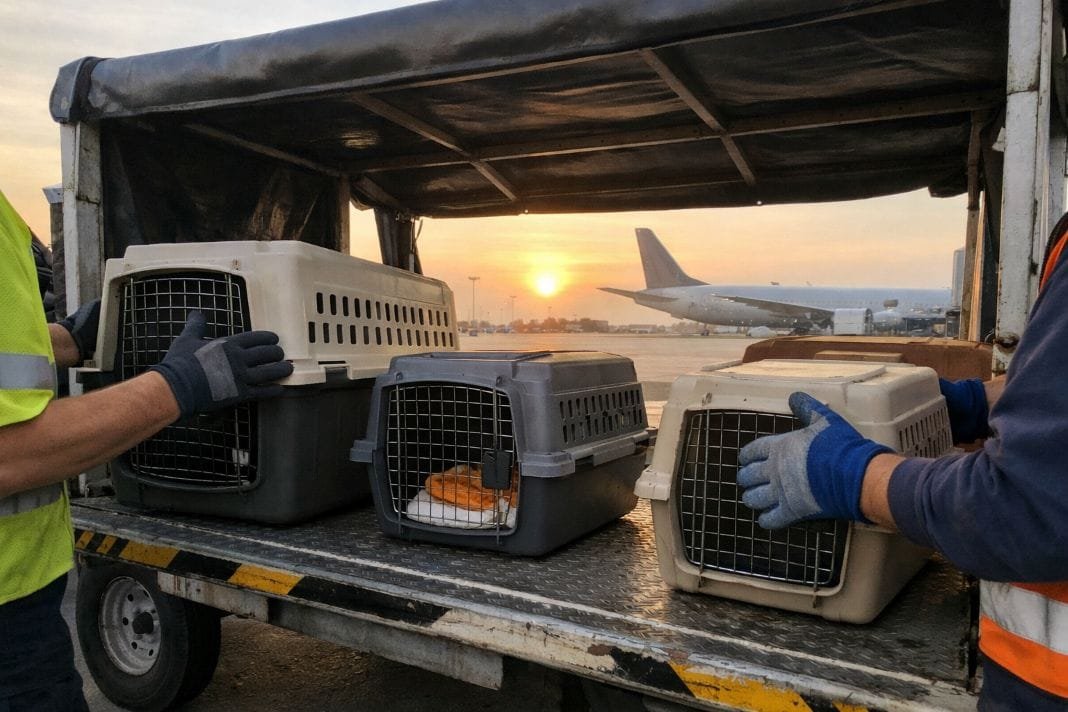
An illustrative image of a cargo loading team at sunrise gently moving airline-approved pet crates onto a shaded trolley on an airport tarmac
Request a Tailored Pet Travel Consultation
Discover how our team can create the safest, most reliable air travel plan for your pet, even when weather becomes a challenge.
Immediate consequences for booked pet flights
Once an embargo is triggered, the booked process is usually reviewed straight away. The outcome may be a postponement, a different routing, or a full cancellation of that animal booking, even if passenger travel on the same flight is still going ahead.
Postponement generally means the airline expects conditions to improve within a reasonable window. Cancellation often means the route, season, or available alternatives do not allow a safe movement under current conditions. Those two outcomes can look similar at first, but they create very different planning pressures for the owner.
Notifications normally come through the airline, the booking channel, or the transport coordinator handling the movement. Timelines vary, because pet flight rescheduling depends on aircraft space, airport conditions, and animal transport regulations that cannot be relaxed for convenience.
Common immediate outcomes are:
- A later departure on the same route
- A move to a cooler time of day
- A reroute through a different airport
- A cancelled booking with later rebooking options
Duration is one of the hardest parts to predict. Some embargoes last a short period linked to a weather spike, whereas others align with recurring summer pet travel bans on particular routes and remain a factor for much longer.
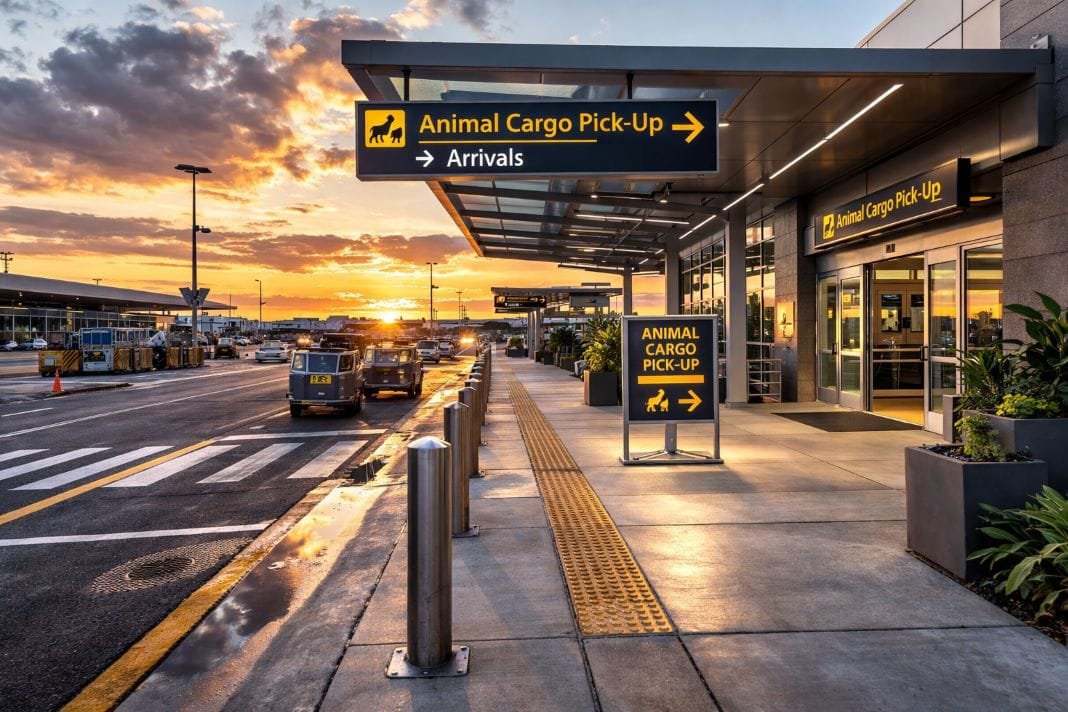
An illustrative image of an international airport with signs for animal cargo pick-up
Animal welfare considerations and regulatory oversight
Heat embargoes exist because animals can struggle to regulate body temperature under travel stress. Even a healthy pet may cope poorly with heat if waiting times lengthen or handling conditions change unexpectedly.
Risk is not identical for every animal. Snub-nosed breeds, older pets, very young animals, and those with certain health concerns may face greater difficulty in hot conditions. Heatstroke risk pets face during transport is judged conservatively for good reason, because problems can escalate quickly once overheating begins.
Regulatory oversight sits behind those decisions. DEFRA rules, veterinary requirements, airline animal transport rules, and the IATA Live Animals Regulations all contribute to the standards carriers work within. Airport authorities also play a part where local operating conditions affect safe handling.
Two welfare points matter more than many owners first realise:
- Safety assessments include ground exposure, not just the flight itself.
- Compliance decisions are made around the animal’s welfare, even when that disrupts travel plans.
That welfare-led approach can feel frustrating in the moment, but it reflects a basic truth. A delayed process is inconvenient, whereas an overheated animal in transit is a genuine welfare incident.
Speak to an Animal Transport Specialist
Connect with our experts to discuss any concerns about regulations, routing, or contingency planning for your upcoming move.
Options and outcomes when a heat embargo disrupts your pet’s process
When a disruption happens, the practical question becomes what form the process can still take safely. In some cases the original plan survives with a new date. In others, the whole route needs to be reconsidered.
- Rebooking at a safer time A later departure, an earlier flight window, or a different day may solve the problem if temperatures are expected to drop. This outcome is common where the route itself remains suitable outside peak heat.
- Switching the route Some journeys can be redirected through airports with milder conditions or different handling constraints. That can change timing, paperwork coordination, and onward transport arrangements.
- Temporary accommodation Kennelling or short-term holding may be needed if the pet cannot travel immediately. The practical issue here is continuity of care, especially for anxious animals or multi-stage international movements.
- Moving by another transport mode For some routes, road travel, Eurotunnel, or ferry options may become the safer alternative. Suitability depends on distance, border requirements, and the individual animal, so the answer is highly case-specific.
- Professional process management Where timings are tight or the route is already complex, a relocation specialist may coordinate the safest workable option across airlines, handlers, and border requirements. Companies such as Tailored Pet Travel are typically brought in at this point when the issue is no longer a simple booking change and has become a welfare and logistics problem.
A family relocation with a narrow moving window, multiple pets, or connecting flights will usually feel the knock-on effects more sharply than a single domestic transfer. That is where contingency planning stops being an abstract idea and becomes the difference between an orderly delay and a difficult scramble.
Pro Tip: Plan for alternative transport options in advance in case rebooking or rerouting becomes necessary during the summer months.
Planning ahead: minimising risk of heat-related disruption
No owner can remove weather risk completely, but some journeys are more exposed to disruption than others. Summer routes through consistently hot airports, midday departures, and tightly timed international transfers often carry more uncertainty from the start.
Early scheduling can reduce exposure where airlines permit it. Cooler departure windows and better chosen transit points may offer a wider safety margin, particularly on longer routes. Airport climate patterns matter at both ends of the trip, because a suitable departure does not cancel out a risky arrival environment.
Professional oversight becomes more relevant when the margin for error is small. An older dog, a temperature-sensitive breed, or a process involving several handovers may need more careful route selection than an owner-led booking would initially suggest. In that context, Tailored Pet Travel may be involved because the value lies in risk reduction and coordinated judgement, not in a standard travel booking.
Seasonal awareness matters too. A route that works smoothly in spring may become unreliable in midsummer, even if the airline still appears to offer pet capacity on paper.
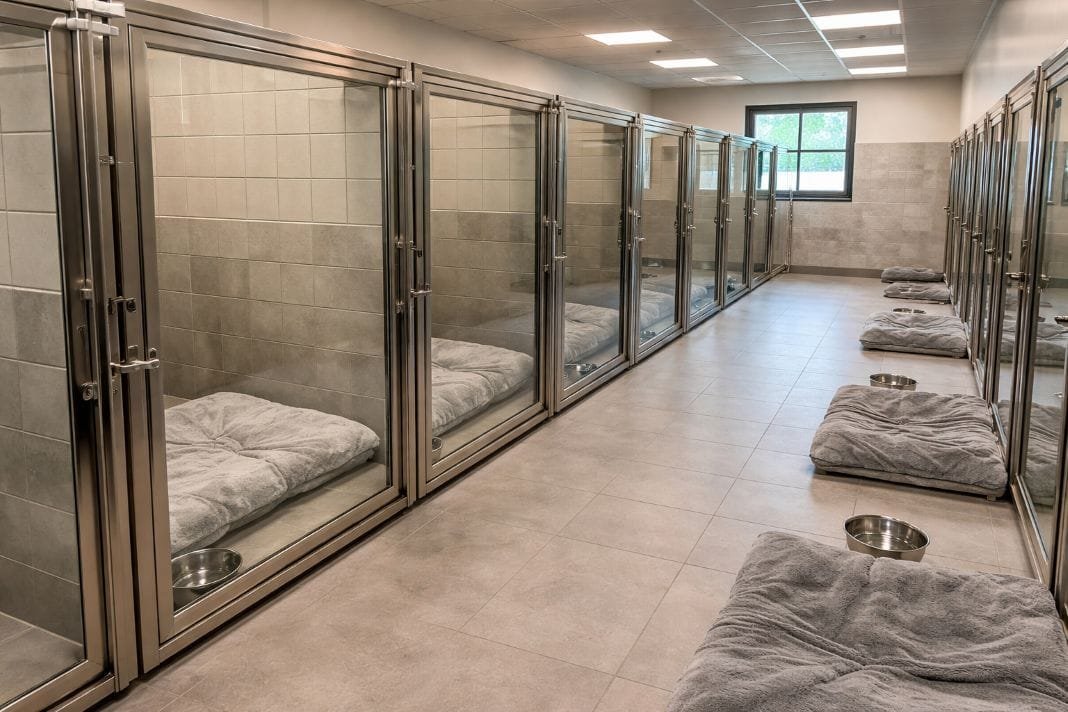
An illustrative image of a pet kennel facility
Looking beyond the embargo: what pet owners often overlook
Heat embargoes often feel like a one-off obstacle, yet they sit within a much wider pattern of pet travel unpredictability. Weather shifts, operational changes, local airport constraints, and regulatory updates can all affect a process that once looked straightforward.
Perfect planning is rarely the standard that matters most. Flexible planning is usually more useful, because it leaves room for timing changes, route adjustments, and welfare-led decisions that only become visible close to departure.
A guaranteed outcome is rarely the right expectation in animal transport. Airline policies can change, forecasts can move, and international pet travel regulations can create pressures that are only obvious once every part of the route is considered together.
Calm preparation usually rests on one idea above all others: a safe pet process depends less on forcing the original plan through and more on keeping enough flexibility to protect the animal when conditions change.