What does a suspiciously low pet transport quote usually mean?
A pet transport quote that seems unusually low often signals risks such as regulatory gaps, poor oversight, or compromised animal welfare, which means that cost alone shouldn’t guide the decision.
When comparing quotes for pet transport, one might assume the lowest price is simply the best deal. However, consistently low pricing in this industry typically reflects something more than cost efficiency. Unlike typical delivery services, pet transport involves strict compliance, certified handlers, and real-time responsibility for the life and welfare of an animal.
Low-cost quotes may be the result of cutbacks in areas that directly affect safety and legality. These may include:
- Lack of proper licensing or insurance
- Inadequate transport conditions or outdated vehicles
- Untrained or minimally trained staff
- Missing or simplified paperwork
- No contingency support for delays or emergencies
In many cases, providers offering significantly cheaper quotes are able to do so by avoiding mandatory requirements. Affordability is not inherently a problem, but a quote that ignores compliance, comfort, or care can cost far more in the long run.
Here's What We Have Covered In This Article
Missing Licensing or Regulatory Backing
Anyone transporting animals professionally in the UK or across borders must operate within a legal framework. At a minimum, carriers should hold valid transport authorisations from DEFRA, and, for longer or international journeys, licensing may also be subject to inspection by APHA or border authorities. These are not optional credentials.
If a provider cannot show:
- DEFRA authorisation relevant to process type and duration
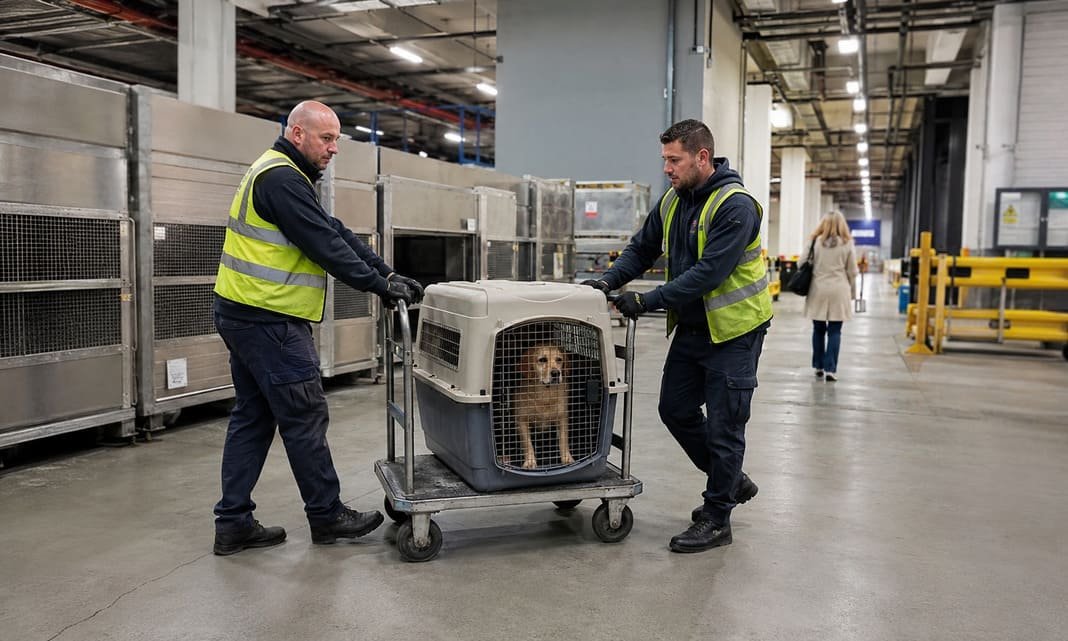
- Licensed vehicles with appropriate ventilation and structure
- Proper training for handlers as required by the Animal Welfare Act
- Written approval for transporting pets beyond the UK (where relevant)
…the quote should be treated with caution. Licensing indicates that baseline standards are being met. In contrast, an unlicensed provider is not simply cheaper. They are operating outside of legal conditions.
Non-compliance is often not disclosed directly in quotes. It may be evident only through vague wording, missing credentials or evasive answers to simple verification questions.
Pro Tip: Always ask to see a provider’s DEFRA authorisation and vehicle compliance certificates before booking.

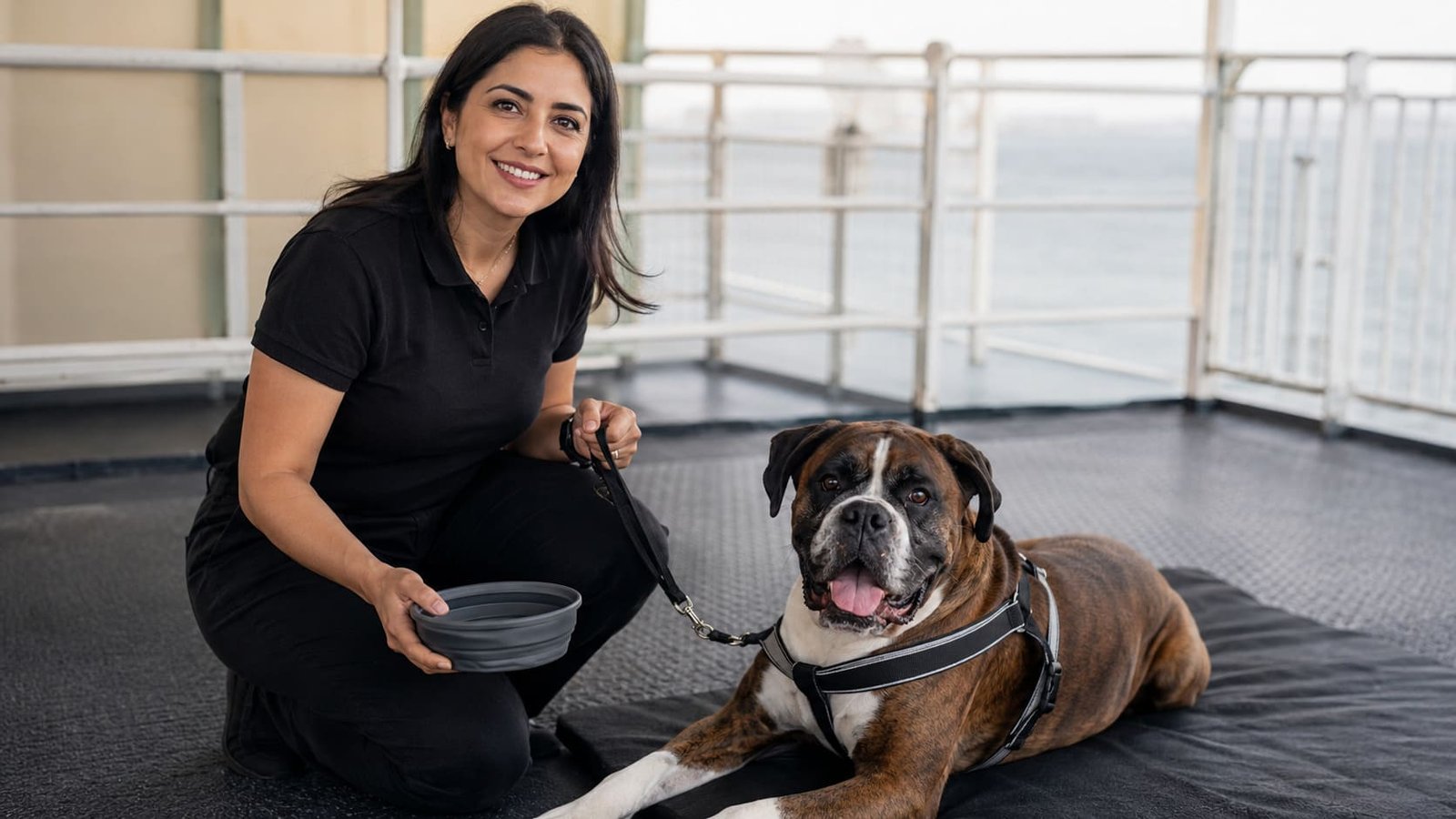
An illustrative image of a woman smiling and holding her dog
Request a Verified Pet Travel Plan
Speak to our transport specialists for a compliant, welfare-led itinerary tailored to your pet’s needs
No Mention of Animal Welfare
Any legitimate pet transport quote should clearly demonstrate how your animal’s welfare will be managed before, during and after the process. If this is not present, it is a significant warning sign.
A properly considered quote will usually include:
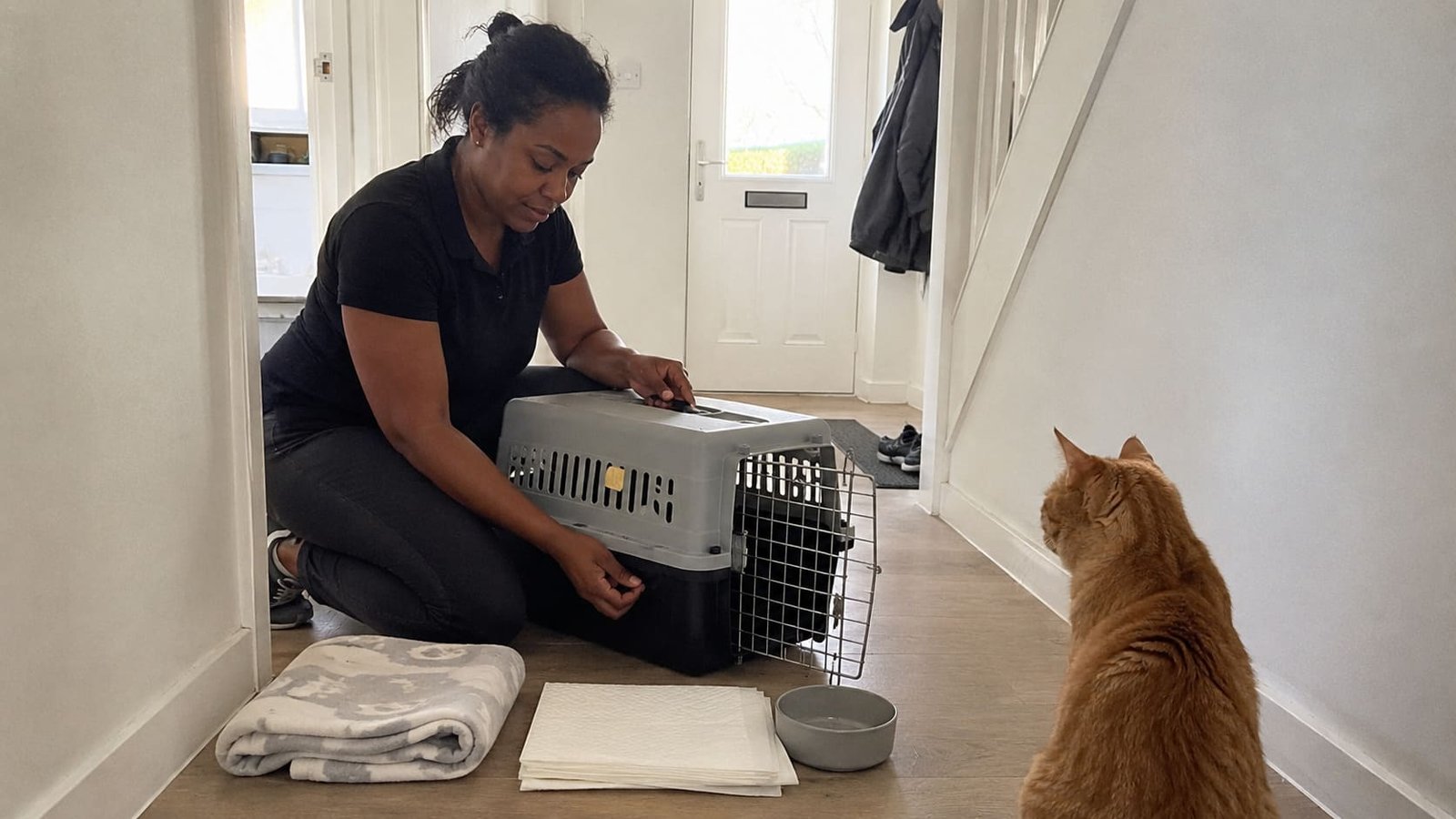
- Details of crate sizing based on breed and weight
- Temperature control measures during travel
- Scheduled rest breaks or feeding (for longer journeys)
- Presence of experienced animal handlers
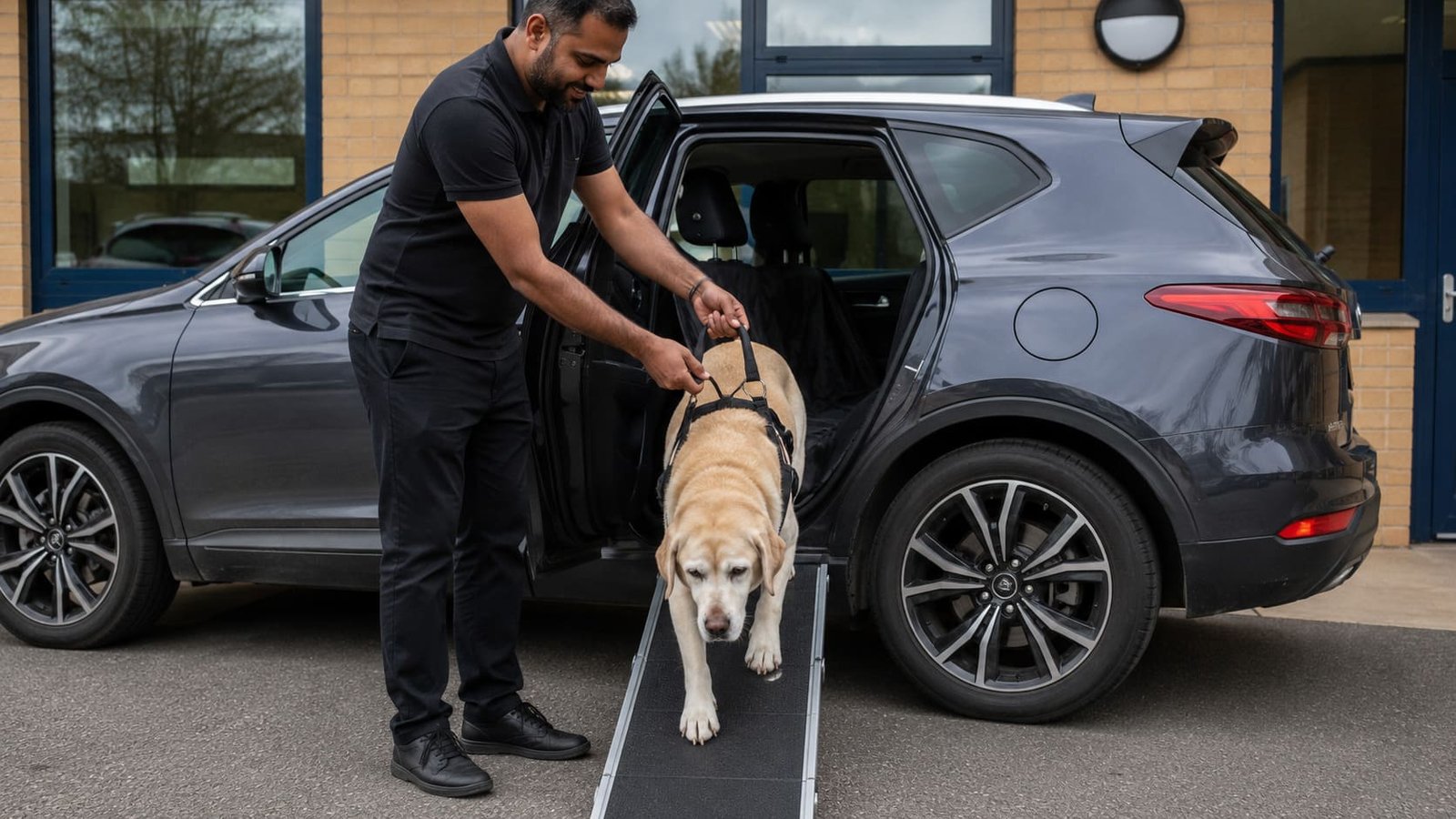
- Provisions for nervous, elderly or medically vulnerable pets
In contrast, lower-end quotes may limit reference to phrases like “safe transport” or “door-to-door service” without elaborating on what that means in practical terms. This absence can indicate a courier-led service model rather than one focused on welfare and comfort.
Animal welfare is not an optional extra. It is a legal and ethical obligation, and any quote that overlooks it may place the pet at unnecessary risk.
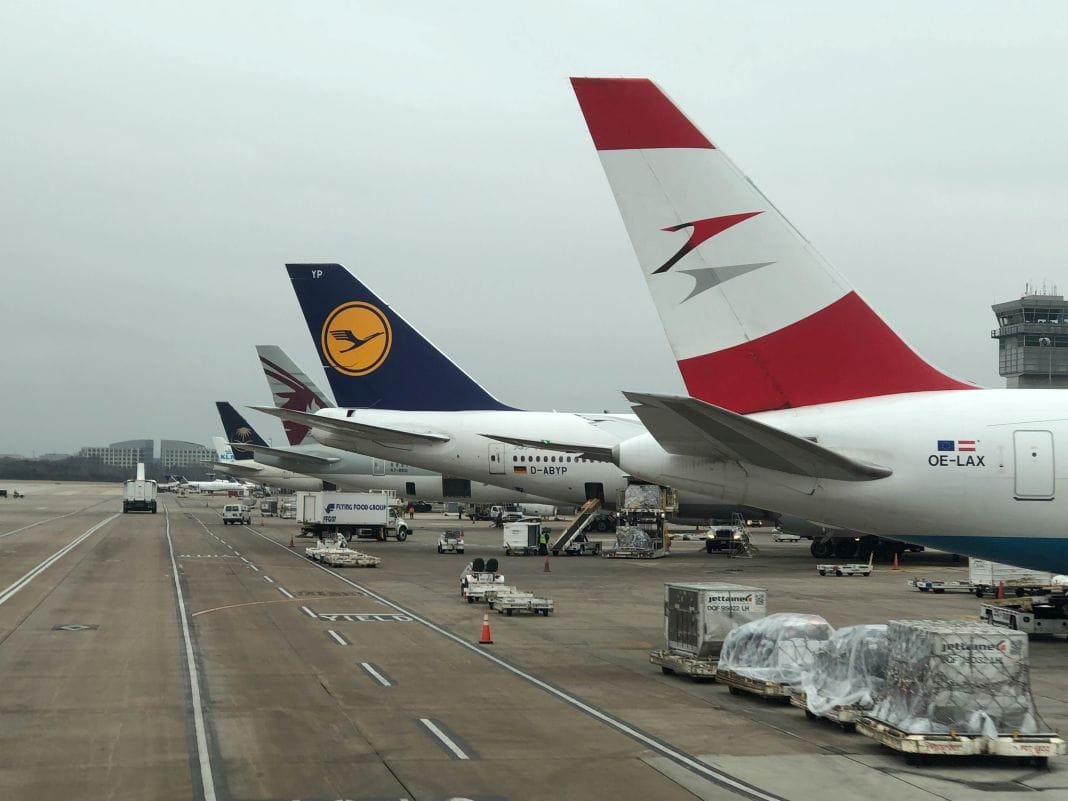
Vague or Unclear Quote Content
Well-prepared quotes reflect a full understanding of the process, including regulatory demands, route specifics, and practical logistics. Cheap quotes frequently reveal gaps in this understanding through missing or generalised information.
Things often omitted from unclear or overly simple pricing may include:
- Specific route and timing
- Type and certification of crate
- Airline or ferry details (if applicable)
- How customs and border requirements will be handled
- Who is responsible at each stage of the process
An example of a vague quote might simply state “door-to-door service to Europe including crate” with no further explanation of timing, transfers, or compliance. In complex cases involving customs or health certificates, this lack of detail can lead to serious delays or even denied entry.
Clarity in a quote signals competence. Conversely, vagueness often indicates shortcuts or lack of planning.
Check If Your Quote Meets Legal Standards
Send us your pet transport quote for a no-obligation review of licensing, welfare and route compliance.
No Oversight or Contingency Measures
Pet transport involves moving living animals across regulated environments, under time-sensitive and often medically dependent conditions. Even with careful planning, delays, cancellations, or paperwork discrepancies can arise.
A strong quote should show how the provider prepares for:
- Flight cancellations or rebookings
- Border delays or customs issues
- Veterinary care if the animal becomes unwell
- Real-time communication or tracking
Cheap quotes usually do not allow margin for these events. They may omit contingency support, assign multiple transfers with minimal communication, or assume best-case scenarios throughout. In the absence of oversight, even minor issues can escalate quickly.
Professional transport companies build in fail-safes, not to inflate cost, but to protect the integrity of the process.
Pro Tip: A quote that lacks detail on crate type or route could indicate the provider is unfamiliar with legal requirements.
Promises That Sound Too Fast or Too Simple
Some cheap quotes offer guaranteed next-day delivery or unconditional approvals. While this may appeal to those under pressure, such promises often ignore the important timelines needed for safe and legal movement.
Typical pet travel planning requires:
- Booking slots on authorised transport carriers
- Appointments for vet checks and health certification
- Waiting periods for valid Animal Health Certificates or vaccinations
- Coordination with customs and border agents
Timelines are not just paperwork. They are welfare safeguards and legal necessities. A provider refusing to account for these is either inexperienced or knowingly bypassing process requirements.
Speed, in these cases, often comes at the cost of compliance or care. Responsible transport considers what the animal needs as much as what the owner wants.

No Track Record or Case-Specific Experience
Finally, a quote that lacks evidence of experience, particularly for international or high-stakes journeys, should be taken seriously. Not all pet transport jobs are low-risk, and not all providers are equally prepared for complex scenarios.
Situations that require proven specialisation include:
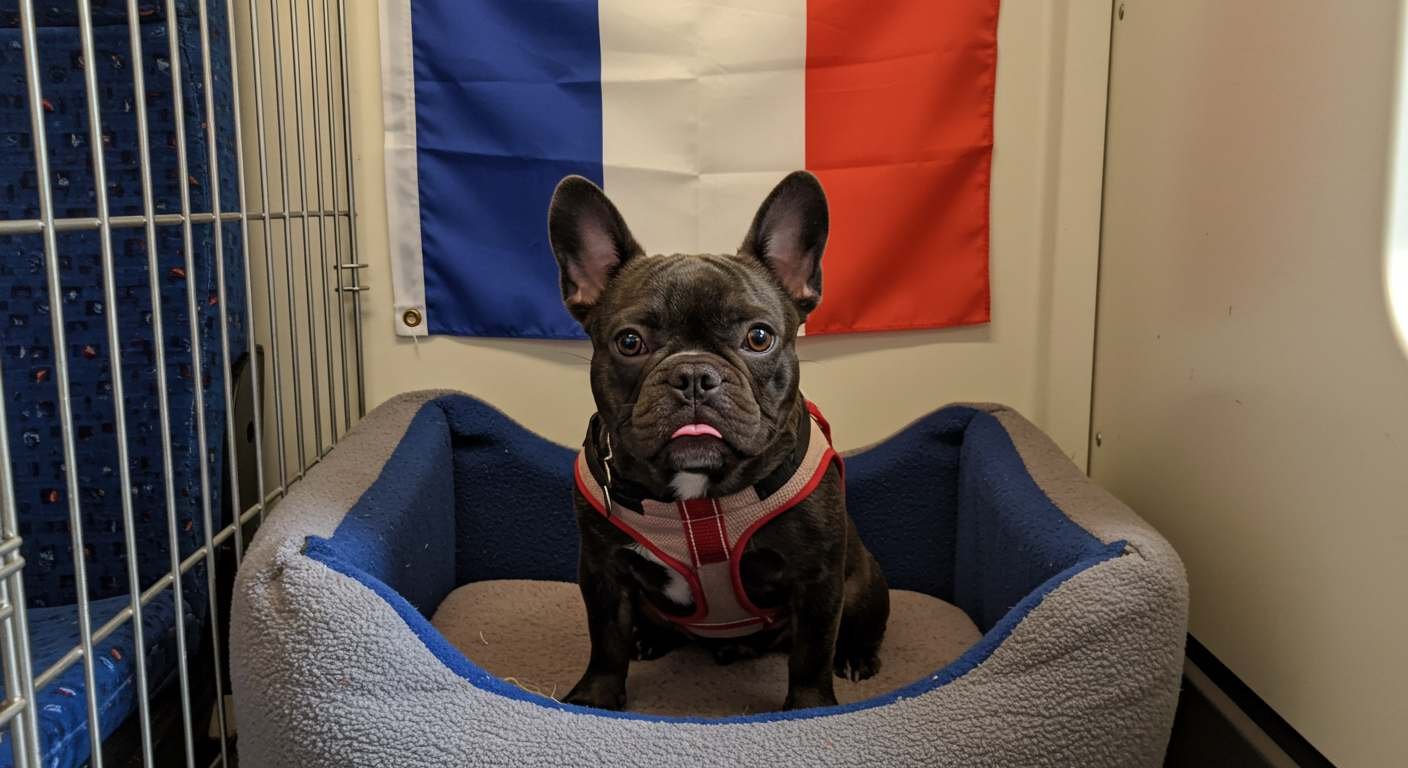
- Transport of flat-faced or elderly pets
- Relocations involving countries with quarantine rules
- Simultaneous travel for multiple animals
- Short-notice movements where documentation is time-sensitive
- Coordination across multiple transport modes
Inexperienced providers may price low to attract bookings they are ultimately not fit to handle. This introduces risk to the animal, but to the process’s success as a whole.
Tailored Pet Travel is frequently contacted when travel plans have already gone wrong or require precise handling from the outset. Their familiarity with regulatory systems and welfare-led execution reflects the level of specialisation that complex pet journeys demand.
Choosing a pet transport provider is rarely a cost-only decision. Price matters, but context matters more. Quotes that seem too low may be entirely missing the structures needed to keep an animal safe, legal, and cared for. In these cases, the real expense may only emerge later, and through stress, delay, or irreversible mistakes.