
What makes multi-pet international moves different from single pet journeys?
Multi-pet international moves introduce complex logistical, regulatory, and welfare challenges that go far beyond simply multiplying the steps required for one animal. Each additional pet adds more variables, risks, and emotional considerations, making these relocations fundamentally different from single pet journeys.
Here's What We Have Covered In This Article
Why Multi-Pet Moves Are More Complex Than Single Pet Journeys
Transporting several pets across borders is not just a matter of adding more crates or repeating the same process. Every animal brings a unique set of requirements shaped by species, breed, temperament, and health status. Authorities treat each pet as an individual, which means that a streamlined or copy-paste approach can result in oversight.
Some of the most common challenges in multi-pet relocation include:
- Each pet may require different documentation, health checks, and vaccinations.
- Compatibility between pets during transport needs careful assessment, especially if different species or incompatible temperaments are involved.
- The risk of delays or complications increases, as a problem affecting one pet can impact the entire group.
- Owners often experience heightened emotional strain, conscious that the comfort and safety of several animals are at stake.
- There is a widespread misconception that more pets simply equal more crates, when in reality the difficulties multiply at every stage.
Handled improperly, these factors can turn a manageable move into a stressful or costly ordeal for both pets and their owners.
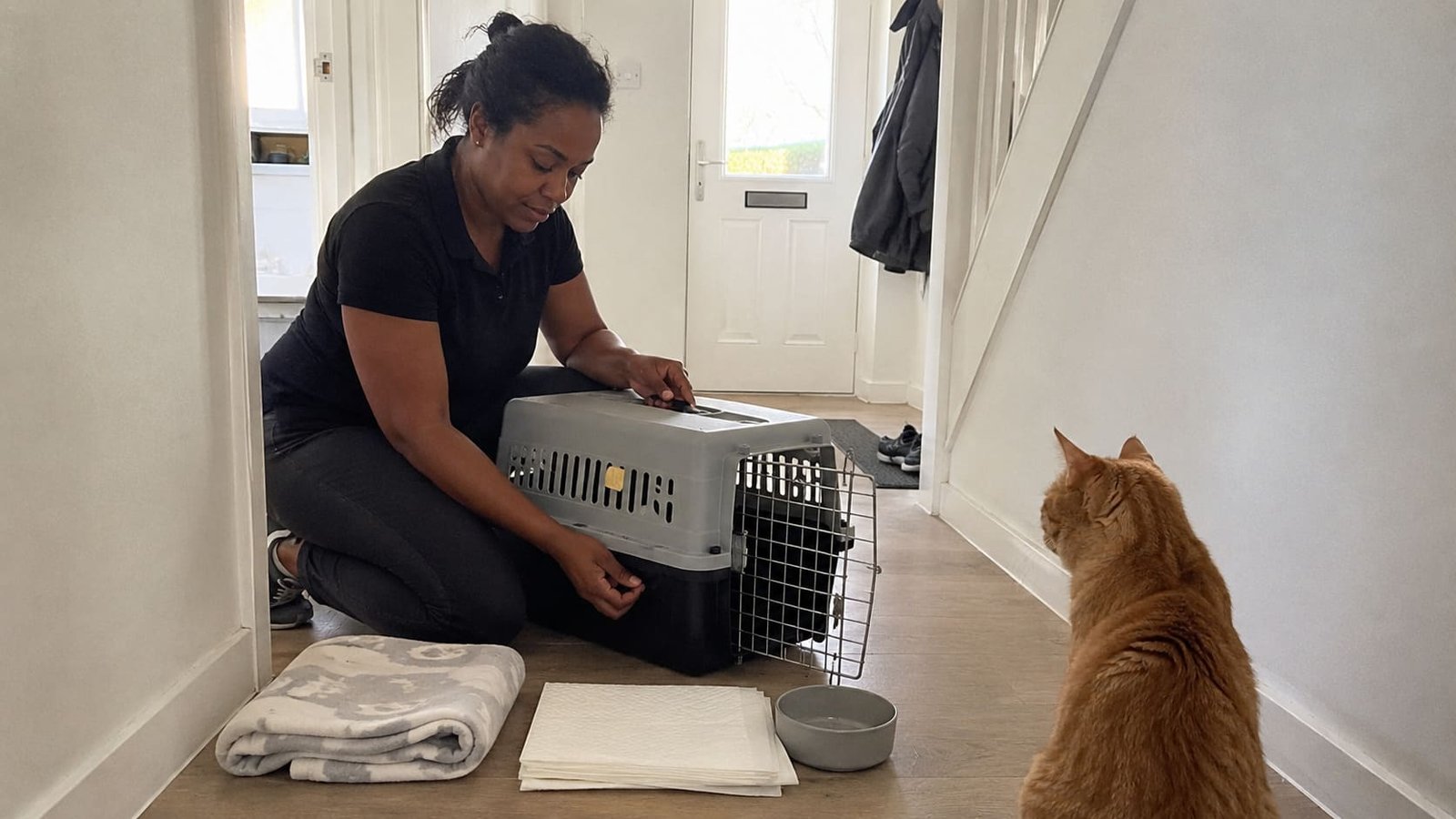
Pro Tip: Arrange individual travel crates in advance, factoring in compatibility and comfort for each animal.

An illustrative image of one small sausage dog being gently placed into a travel crate at a home,
Speak with an Animal Transport Expert
Connect with our specialists for advice on multi-pet travel regulations, documentation, and welfare requirements.
Regulatory and Documentation Hurdles in Multi-Pet International Moves
Regulations for international pet travel are rigorous and highly specific, with documentation required for every animal regardless of group size. With multi-pet journeys, paperwork expands quickly and any inconsistency can trigger significant delays.
For each animal, authorities such as DEFRA and IATA require:
- Individual health certificates or Animal Health Certificates (AHCs)
- Up-to-date vaccination records and, often, synchronised vaccination dates
- Breed or species-specific import permits, including country restrictions on numbers or types of animals
- Precise customs declarations, which must match exactly with the animals in transit
If documentation for even one pet is incomplete or incorrect, border officials may withhold clearance for the full group, resulting in quarantines or missed connections. The need to synchronise paperwork and comply with regulations for every pet increases the risk of errors, especially in situations involving last-minute changes or non-standard requirements. Pet owners must factor in that regulatory bodies regard and inspect each animal individually, not as a collective unit.

An illustrative image of a pet owner at a vet clinic, holding vaccination certificates for three different pets
Logistics and Coordination: Managing Multiple Pets Across Borders
The logistical demands of moving several pets internationally require far-reaching coordination. The process involves more than just booking extra seats or crates; aligning every detail is important to avoid disruptions.
A typical multi-pet process may present challenges such as:
- Synchronising flight bookings, ensuring all pets are allocated on the same plane or coordinated routes where possible
- Assigning appropriate travel crates, matching animal size, temperament, and any specific requirements for crate sharing or separation
- Managing layovers and transfers, including secure animal handling and customs checks at each stop
- Planning for unexpected delays or emergencies, with contingency measures for animal care if the itinerary changes
- Addressing misconceptions about group bookings by recognising that each pet is logged and tracked individually by transport authorities
Failure at any point, whether a mislabelled crate or an unplanned airport transfer, can create cascading delays, raise welfare concerns, or result in pets being separated. Professional coordination minimises these risks through established protocols, real-time tracking, and immediate response to emerging issues.
Enquire About Tailored Pet Transport
Discuss your pet’s unique medical needs with our specialist team for a personalised travel plan.
Animal Welfare Considerations in Multi-Pet Moves
Welfare becomes a heightened concern as the number of animals increases. Each pet responds to travel stress differently, and group dynamics can cause added strain or, for some animals, provide reassurance.
Key considerations for welfare-led multi-pet travel include:
- Assessing whether animals should travel together or separately, based on behaviour and comfort
- Ensuring crates provide secure, calming environments with appropriate space and temperature control
- Monitoring health, rest, and hydration during the process, taking into account the special needs of senior, anxious, or medically complex animals
- Observing for signs of elevated stress or distress among the group and intervening promptly where necessary
- Avoiding welfare compromises; convenience should never outweigh animal safety or well-being
Trained handlers and animal welfare professionals are adept at anticipating and addressing issues unique to group relocations. Their oversight ensures that neither efficiency nor expedience comes at the expense of comfort or dignity for any animal.
Pro Tip: Confirm all veterinary documents are synchronised for every pet to avoid hold-ups at customs.
.
When Professional Help Becomes Important: The Role of Pet Travel Companies
Most pet owners can work through standard, single pet moves under routine circumstances. However, as challenge rises with additional pets, professional input quickly shifts from optional to necessary.
Common situations that require expertise include:
- Last-minute regulatory changes or paperwork issues
- Pets with existing health, breed, or behavioural considerations
- Complex itineraries involving multiple countries, regulatory regimes, or airline providers
- Instances where an error, delay, or welfare incident would carry significant consequences
A company like Tailored Pet Travel is frequently called upon after a DIY approach proves unworkable or risks escalate. Professional pet travel firms act as both regulatory guides and process supervisors, offering decision-makers assurance that every detail is validated and contingencies are covered.
Signs that indicate the need for expert help often include:
- Conflicting or confusing information from authorities or airlines
- Inability to synchronise documents or travel plans for every animal
- Uncertainty over welfare or health requirements for group travel
- Past issues with customs or border checks that could repeat in multi-pet contexts
In these moments, professional oversight replaces uncertainty with risk reduction and peace of mind.

What to Expect from a Specialist Multi-Pet Travel Service
A genuine specialist in multi-pet international relocation provides far more than basic transport. The hallmark of an expert provider lies in the outcomes they help, not simply the steps they take.
When working with a service such as Tailored Pet Travel, clients should expect:
- Process management that orchestrates every phase, from pre-departure checks to safe arrival
- Full oversight of regulatory and documentation requirements, minimising the risk of hold-ups or refusals
- A welfare-first ethos, where animal comfort, safety, and stress reduction sit at the centre of every decision
- Constant communication, so owners remain informed and confident at each stage
These capabilities combine to deliver reduced risk, fewer delays, and a genuine sense of reassurance that no detail has been overlooked.
Final Considerations: Making a Safe, Informed Choice for Multi-Pet International Moves
Choosing to move several pets across international borders is a significant responsibility that exposes owners to heightened risk and challenge. Success depends on honest appraisal of the risks involved, clear identification of potential escalation points, and knowing when the situation requires help.
Key considerations include:
- Assessing how much risk you can reasonably manage without specialist support
- Recognising that the cost of error or delay can far outweigh the value of expert involvement
- Understanding that confidence in compliance, logistics, and welfare is indispensable for high-stakes moves
- Noticing early signs of confusion or growing uncertainty and seeking appropriate guidance before issues escalate
Safe outcomes for multi-pet relocations are possible, provided the process is grounded in regulatory expertise, careful planning, and unwavering commitment to animal welfare. In moments of doubt or rising challenge, seeking expert partnership offers the most reliable route to peace of mind for both owners and their animals.